

Making Blood Transfusions Safer Through Data
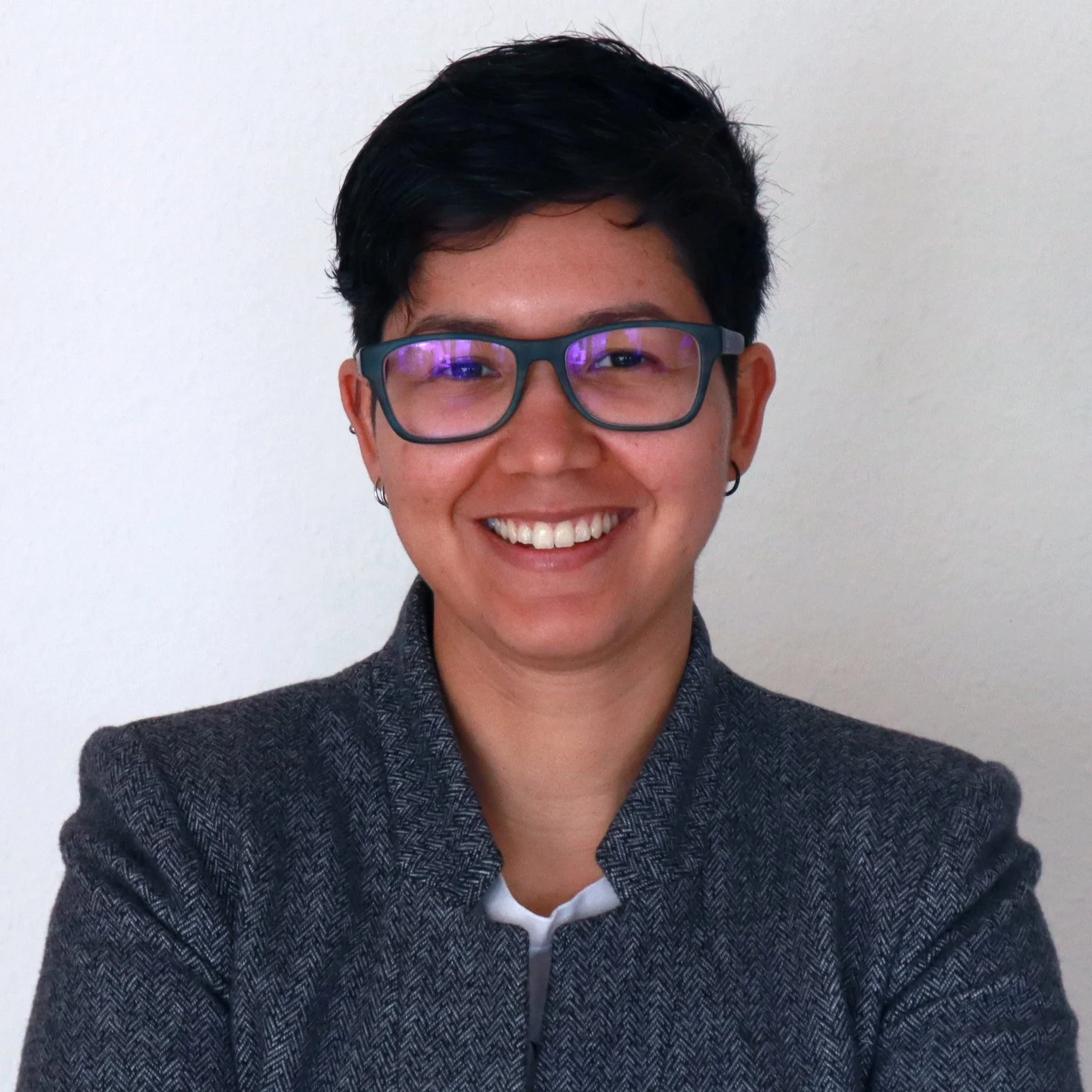
I joined the Haem-Match Consortium to help make blood transfusions safer and more effective for people who need them regularly - especially those living with sickle cell disorder and thalassaemia. These conditions often require lifelong transfusions, and finding compatible blood can become more difficult over time. That’s because matching blood isn’t as simple as A, B, AB, or O. Each person’s blood has many unique characteristics, and if transfused blood isn’t a close enough match, the body can create antibodies that make future transfusions harder or even impossible.
Haem-Match aims to tackle this problem by using data to better understand and predict how patients respond to different blood matches. A key part of this work is the development of Transfusion Dependent Anaemia (TDA) Database with de-identified data from hospitals about transfusions and antibodies patients developed. By analysing this information across many patients, researchers can:
Identify which blood mismatches are most likely to cause problems
Predict which patients are at higher risk of developing antibodies
Improve how blood is matched to each individual
In my role as a Senior Data Engineer, I help ensure that hospital data is processed and integrated accurately and securely, so it can be used for research and innovation across the SAFEHR and Haem-Match teams. One of my key challenges has been ensuring that patient data from different hospital system can be put together without losing crucial details that researchers need. My background in particle physics has given me valuable experience in handling large, complex datasets and working across interdisciplinary teams. It’s been exciting to apply those skills to a project that has such a direct impact on people’s lives.